
Kyoto: A Culinary Odyssey
Updated: Feb 3
Exploring Kyoto's Culinary Scene: A Journey Through Flavours
Food in Kyoto is deeply rooted in its seasons and local ingredients. The city’s cuisine emphasises subtle flavours, seasonal vegetables, and meticulous presentation. Many restaurants here have been family-run for generations, preserving recipes and techniques that have been passed down over centuries.
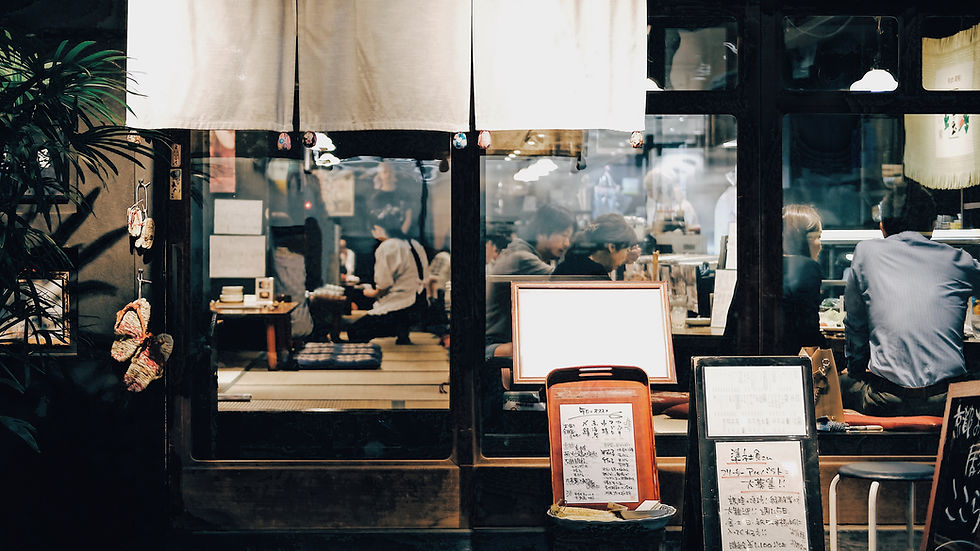
When exploring Kyoto’s restaurants, it helps to know the different types of dining experiences available:
Kaiseki: A multi-course meal showcasing seasonal ingredients with artistic presentation.
Yudofu: A simple yet elegant tofu hot pot, often enjoyed near temples.
Obanzai: Traditional home-style dishes made with local vegetables.
Soba and Udon: Handmade noodles served hot or cold.
Street Food: Quick bites like yakitori (grilled chicken skewers) and matcha sweets.
Restaurants for Authentic Kyoto Cuisine
Kaiseki: A Symphony of Flavours
Kikunoi Honten
Kikunoi Honten is a Michelin-starred kaiseki restaurant that offers a refined dining experience. Chef Yoshihiro Murata is celebrated for his commitment to Kyoto's culinary heritage, describing it as "the beauty of Wabi—elegant in presentation, subtle in flavour—yet never ordinary." Each dish is a work of art, combining seasonal ingredients with delicate flavours. The restaurant also offers a selection of sake and other beverages that perfectly pair with the intricate flavours of the meal.
Cha Kaiseki at Shimogamo Saryo
Cha kaiseki is the traditional cuisine served before the tea ceremony—a quiet, seasonal meal designed to prepare both body and mind for tea. At Shimogamo Saryo, (one Michelin star) this philosophy is expressed through refined presentation, subtle yet layered flavours, and a deep respect for seasonality and restraint. Each dish is complete in itself, guiding the guest gently toward the stillness of tea.
Insider tip: Reserve your table well in advance and opt for the lunch menu if you want a slightly more affordable way to experience kaiseki.
Yudofu: A Warm Embrace
Yudofu Sagano
Located near the famous Tenryu-ji Temple, Yudofu Sagano specialises in yudofu, a tofu hot pot that is both healthy and comforting. The restaurant’s serene garden setting enhances the peaceful dining experience.
Insider tip: Visit during autumn to enjoy the colourful foliage while savouring your meal.
Udon and Soba: Noodles with a Story
Omen Kodai-ji
Omen Kodai-ji is known for its handmade udon noodles served with a variety of fresh vegetables and dipping sauces. The casual atmosphere makes it a great spot for lunch after exploring nearby temples.
Nishin Soba - the Kyoto Classic
Matsuba
Nestled in the historic Gion district, Matsuba has been serving traditional Japanese soba since 1861. It’s famous as the birthplace of nishin soba—buckwheat noodles topped with sweet, tender simmered herring. The dish perfectly balances umami-rich broth with melt-in-your-mouth fish, offering a taste of Kyoto’s culinary history. Matsuba’s classic setting and timeless recipe make it a must-visit for anyone exploring authentic Kyoto cuisine.
Ebisugawa Tsuruya
Ebisugawa Tsuruya is a tiny Japanese soba restaurant located in Nakagyo ward. The place has a 'wabi-sabi' appearance; in other words, it looks a bit run down, but soba here tastes fabulous. It is known for Sarashina soba, a refined type of soba noodle made from the inner core of buckwheat grains. Because only the whitest part of the grain is used, the noodles are light in colour, smooth in texture, and delicate in flavour. Tempura and fish donburi are also very good.
Insider tip: Try the set menu that includes tempura and seasonal side dishes for a complete meal.
Obanzai: A Taste of Home
Oryouri Menami
A long-established restaurant in Kyoto’s lively Kiyamachi / Sanjo district. Founded in 1939, this family-run eatery has been serving authentic Kyoto home-style cuisine (“obanzai”—a classic Kyoto style of small, seasonal dishes made from local ingredients) for over 80 years in a cozy, informal, and welcoming atmosphere.
Insider tip: Ask for seasonal recommendations from the chef to experience the freshest ingredients.
Shojin Ryori: A Vegetarian Journey
Shojin ryori is a vegetarian cuisine developed by Buddhist monks. It focuses on simple, natural flavours without meat or fish. Restaurants like Shigetsu inside Tenryu-ji Temple offer this peaceful dining experience. It is a unique cultural and culinary experience in Kyoto.
Markets: A Culinary Adventure
Nishiki Market
Regarded as 'the' place in the city centre to sample street food and buy local snacks. Nonetheless, Nishiki Market is now awfully touristic and has lost its authenticity. Personally, I would walk through it once, but would not return.
Umekoji Fish Market
Located in the south of Kyoto, Umekoji fish market is Japan's first central wholesale market, established in 1927. It remains a key part of Kyoto's food culture, particularly for seafood. Sushi restaurants around Umekoji market use ingredients straight from the market. One example is Kyo‑Suzaku Sushi‑Ichiba, known for its fresh and extremely affordable sushi platter.
Insider tip: The Fisheries Market building features a visitor area where you can observe the auction from glass viewing galleries. This is a genuine trading environment for wholesalers and vendors, not a tourist attraction, so it’s best to visit early in the morning and with respect for the working market.
Matcha and Sweets: A Sweet Escape
Uji, located in the suburbs of Kyoto, is renowned for its matcha production. Visit tea houses such as Tsujiri or Nakamura Tokichi to enjoy matcha desserts like ice cream, parfaits, and traditional wagashi sweets.
Izakaya: A Lively Evening
For a lively evening, try an izakaya, a Japanese pub serving small plates and drinks. Places like Torito in Pontocho offer grilled chicken and other local favorites in a relaxed setting.
Final Thoughts on Dining in Kyoto
Kyoto’s restaurants offer more than just meals; they offer an insight into the city’s culture and history. Whether you savour a multi-course kaiseki dinner or enjoy a simple bowl of noodles, the flavours of Kyoto tell a story of tradition, seasonality, and craftsmanship. Plan ahead, explore different neighbourhoods, and be open to new tastes to make the most of your culinary adventure in this remarkable city.
As I reflect on my experiences, I am reminded of the delicate balance between tradition and innovation that defines Kyoto's culinary landscape. Each meal becomes a tapestry woven with the threads of history, culture, and the artistry of the chefs who dedicate their lives to this craft. The essence of Kyoto lingers in every bite, inviting us to savour not just the food, but the stories that accompany it.
In the heart of this enchanting city, I find myself captivated by the rich tapestry of flavours that unfold before me. The culinary journey through Kyoto is not merely about sustenance; it is an exploration of the senses, a celebration of artistry, and a communion with the past. Each dish, a whisper of history, beckons me to linger a little longer, to taste a little deeper, and to embrace the essence of Kyoto in every exquisite bite.


Comments